 Car insurance
 Telematics
 Van insurance
 Home insurance
 Car finance
car insurance guides
Is a black box worth it for car insurance?
Find out if black box car insurance is worth it, how much it can reduce costs, and when insurance without a black box might be better.
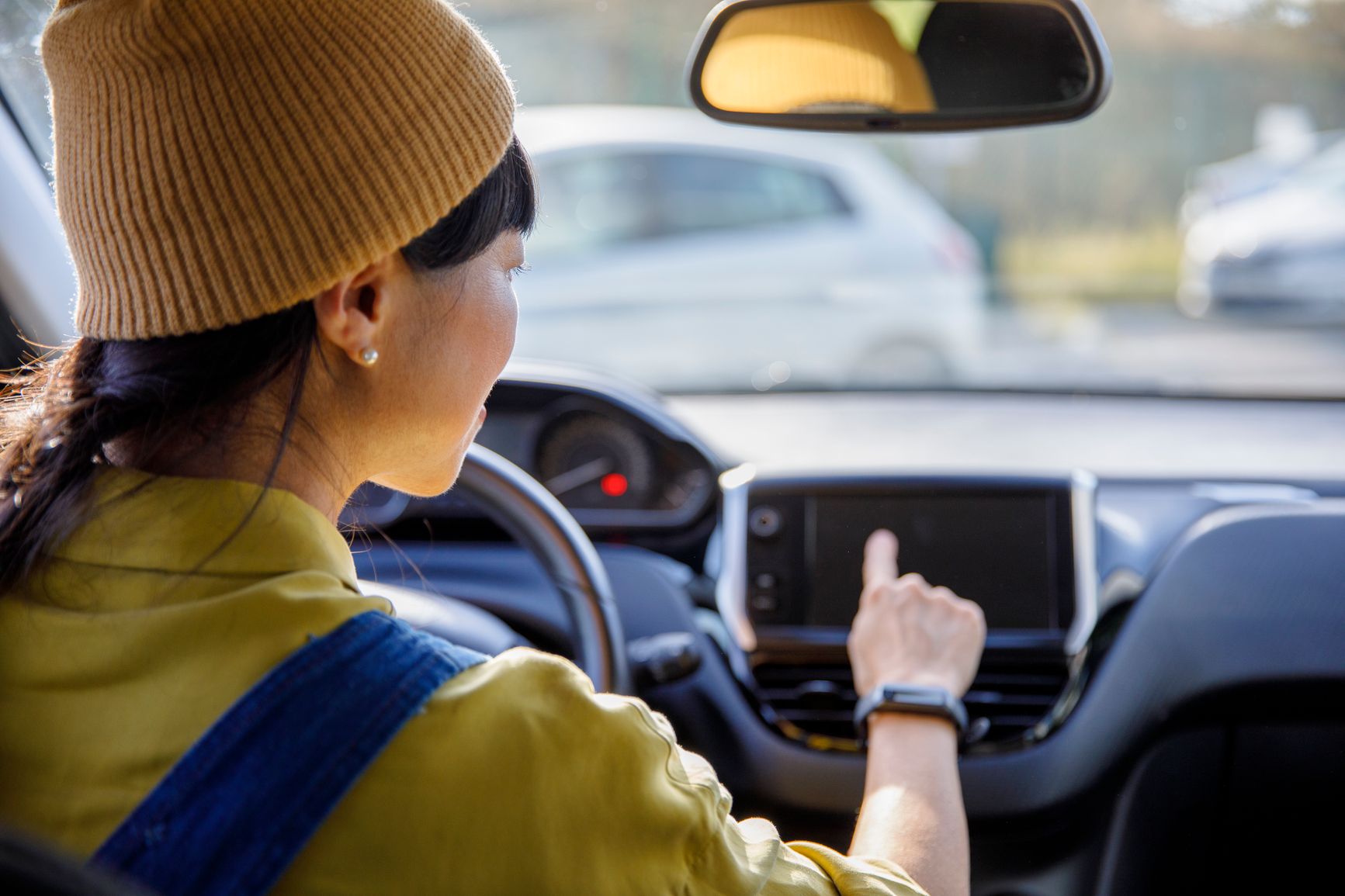






If more than one person drives your car, it’s important to understand how black box car insurance works with multiple drivers. The answer depends on the type of black box insurance you have and how your policy is set up.
This guide explains how black box insurance works with multiple drivers, whether insurers can tell who is driving, and what to do to make sure everyone is properly covered.
Black box car insurance can cover multiple drivers, but how it works depends on the rules of your specific telematics policy and how a black box is fitted in your vehicle.
In the UK, insurers generally use one of two approaches:
Each option handles multiple drivers differently, which is why it’s important to understand which type you have before anyone else drives the vehicle.
With a physical black box, a small telematics device is fitted inside the car.
This type of device:
Because the device is attached to the vehicle, all driving behaviour is grouped together, regardless of who is behind the wheel. This means speeding or risky driving by one driver affects the policy.
Therefore, all named drivers will need to understand and follow the black box car insurance rules set out by the insurer.
Physical black boxes are often easier to manage when all named drivers are covered under the same telematics policy as there is no app to log in and out of between journeys.
Some insurers monitor driving through a smartphone app, or a combination of a tag you install on the car and an app.
With app-based telematics policies:
App-based black box insurance can work with multiple drivers, but it usually requires more active management.
If more than one person drives the car, it’s important to check whether each driver needs telematics insurance and how trips are assigned to ensure journeys are not being misattributed.
With a physical black box, insurers cannot tell who is driving. They only see how the car is driven. With an app-based policy, insurers may assume the person carrying the phone is the driver, unless the app allows trips to be reassigned.
Because of this:
Even if insurers cannot identify the driver, the driving behaviour may still affect the policy.
Yes. Every regular driver of your car must be:
In the UK, it is legal to have more than one insurance policy covering the same car. However this can cause problems if a claim is made.
With black box insurance in particular, insurers typically expect one clear policy that shows:
The safest and simplest option is one policy per car, with all drivers correctly declared.
Before sharing a car with black box insurance, it helps to think about:
If one driver regularly speeds or drives late at night, this can affect the policy for everyone. This can help you decide if a black box is worth it for car insurance.
Black box insurance can work with multiple drivers, but the details matter. Physical black boxes track the car and cannot tell who is driving, while app-based policies may link journeys to a specific phone.
All drivers must be named on the policy, and everyone using the car should understand how the black box works. Getting this right helps avoid problems later and keeps the cover valid for every journey.
Looking for car insurance? With Marshmallow Move, we use a small bluetooth tag to track you driving data so we can give you the best price. Get a telematics quote today to see how much you could save.
Find out if black box car insurance is worth it, how much it can reduce costs, and when insurance without a black box might be better.

Learn what black box or telematics insurance is, how it works, whether it can lower your costs, and if it's worth it for drivers in the UK.
Learn the main black box car insurance rules in the UK, what could happen if you break them and how it works with Marshmallow's telematics plan.